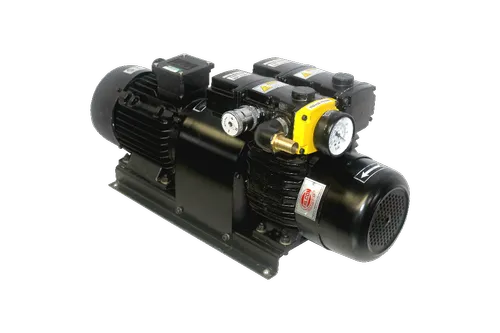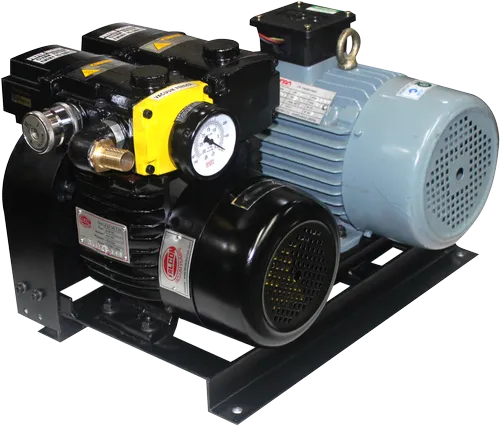
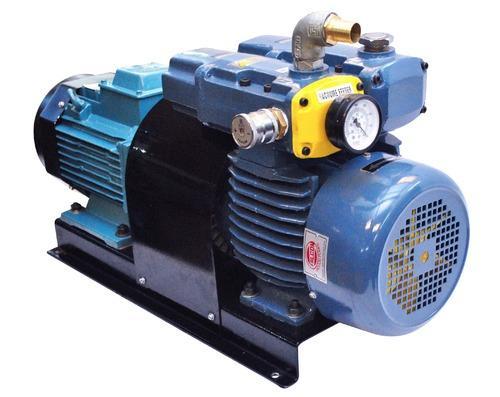
Dry vacuum pumps are essential in various industrial applications, ensuring efficient operation in manufacturing, chemical processing, and laboratory environments. While these vacuum pumps are designed for durability and performance, they still require proper maintenance to prevent unexpected failures. Identifying warning signs early can save you costly repairs and downtime. Here are five crucial signs that your pump may need immediate attention.
- Unusual Noises or Vibrations
If your pump starts making excessive noise or vibrating abnormally, it’s a clear sign of trouble. This could indicate loose components, worn-out bearings, or misalignment issues. Ignoring these sounds can lead to severe internal damage, reducing the pump’s lifespan and performance.
- Decline in Suction Power
A noticeable drop in suction capacity is a major red flag. Reduced vacuum pressure often points to clogged filters, leaks in the system, or damaged seals. Regularly monitoring your pump’s pressure levels can help you detect this issue early and avoid disruptions in your operations.
- Overheating
If your pump is running hotter than usual, this could indicate blockages, poor ventilation, or excessive workload. Overheating not only affects performance but can also cause damage to essential components, requiring costly repairs or replacements. Ensuring proper airflow and maintaining a clean operating environment can prevent this issue.
- Oil or Fluid Leakage
While dry vacuum pumps typically operate without oil, some models may include lubricated parts. Any signs of leaks, whether oil, coolant, or other fluids, should be addressed immediately. Leaks often signal worn seals or gaskets, which can compromise the pump’s efficiency and lead to further mechanical issues.
- Irregular Operation or Frequent Shutdowns
If your pump frequently shuts down or behaves erratically, it’s a sign of electrical problems, motor malfunctions, or internal component failure. Regularly inspecting wiring, motor connections, and control systems can help identify and resolve these issues before they escalate.
Preventive Maintenance is Key
Addressing these warning signs promptly can extend the lifespan of your dry vacuum pumps and ensure optimal performance. Routine maintenance, such as cleaning filters, inspecting seals, and monitoring temperature levels, is essential to prevent costly repairs and downtime.
By staying vigilant and acting quickly when these signs appear, you can keep your dry vacuum pumps operating efficiently, safeguarding your industrial processes from unexpected failures.