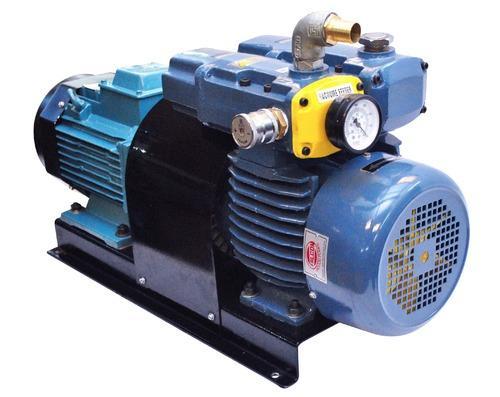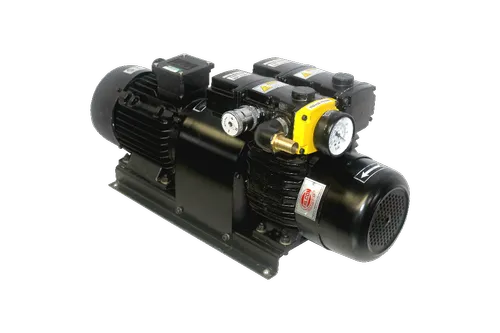

In the ever-evolving dairy industry, efficiency is key to maintaining high milk quality, reducing labor costs, and ensuring animal health. One of the most crucial advancements in dairy farming technology is the vacuum pump for milking machines. These pumps play a vital role in automating the milking process, providing a consistent, gentle, and efficient method of extracting milk while minimizing stress on dairy animals.
The Role of Vacuum Pumps in Milking
A vacuum pump for milking machines creates the necessary pressure to extract milk from cows, buffaloes, or goats in a controlled and hygienic manner. It works by generating a vacuum within the milking system, which allows for gentle pulsation and suction. This process mimics a calf’s natural suckling motion, making it comfortable for the animal and ensuring optimal milk flow.
Without vacuum pumps, dairy farmers would rely on manual milking, a time-consuming and labor-intensive task. By integrating vacuum pumps into their milking systems, farmers can significantly reduce milking time, increase productivity, and maintain high hygiene standards.
Benefits of Using a Vacuum Pump for Milking Machines
- Increased Milking Efficiency
Traditional hand milking is slow and inconsistent. With a vacuum pump for milking machines, dairy farmers can milk multiple cows simultaneously, reducing the time required per session. This increased efficiency is particularly beneficial for large dairy farms, where hundreds of cows need to be milked daily.
- Improved Milk Quality
Milk contamination is a major concern in dairy farming. Vacuum pumps ensure that milk is transferred directly from the udder to a closed collection system, minimizing exposure to external contaminants like dust and bacteria. This results in higher-quality milk with better shelf life and compliance with food safety standards.
- Enhanced Animal Comfort and Health
A well-functioning vacuum pump for milking machines ensures a smooth, rhythmic milking process that reduces discomfort for the animal. Unlike manual milking, which can be inconsistent and sometimes harsh, vacuum pumps provide a gentle milking experience. This reduces the risk of mastitis and other udder infections, ultimately promoting better overall animal health.
- Labor and Cost Savings
By automating the milking process, dairy farmers can reduce their dependency on manual labor. This leads to lower labor costs and allows farm workers to focus on other essential tasks such as herd management, feeding, and health monitoring. Over time, investing in a vacuum pump becomes a cost-effective solution that boosts farm profitability.
- Consistency and Reliability
One of the biggest advantages of using a vacuum pump for milking machines is the consistency it provides. Unlike human hands, which may vary in pressure and speed, a vacuum pump maintains a uniform milking process, ensuring that every cow is milked efficiently without stress. This consistency leads to better milk yield and overall farm performance.
The adoption of vacuum pumps has revolutionized modern dairy farming by enhancing efficiency, improving milk quality, and ensuring the well-being of dairy animals. A vacuum pump for milking machines is not just a convenience but a necessity for any dairy farm aiming to increase productivity and maintain high hygiene standards. As technology continues to advance, investing in high-quality vacuum pumps will remain a key factor in the success of dairy operations worldwide.